
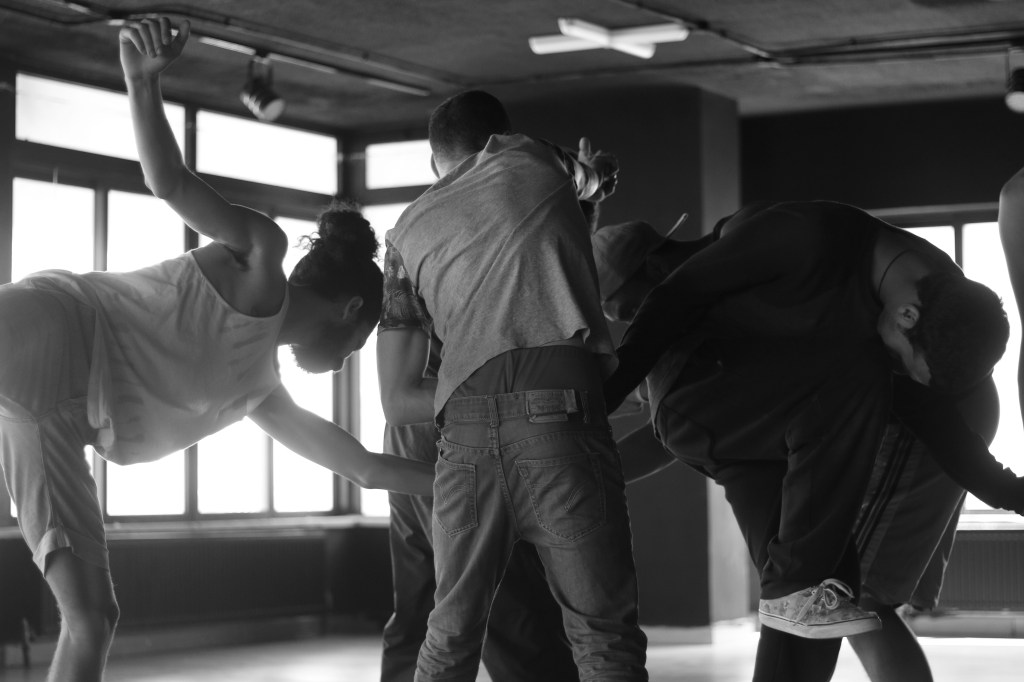
Through this production, performers have learnt how to respond creatively to an externally set stimulus, to choreograph their own dance.
The dance created include: a solo dance of a minimum of two minutes for each performer; a duet dance of a minimum of three minutes for one to two pairs of performers; a group dance of a minimum of three minutes of eight performers.
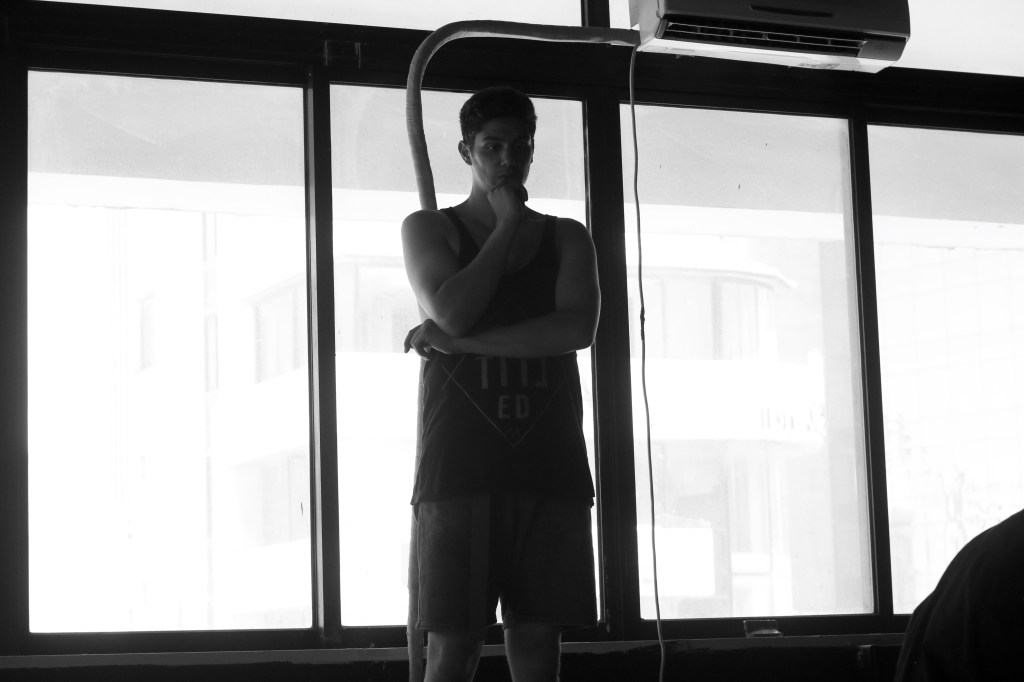
To create their own dance, performers must know, understand and be able to apply the following, as appropriate to their choreography:
- Action content, including: travel turn elevation gesture stillness use of different body parts floor work transfer of weight.
- Dynamic content, including: fast/slow sudden/sustained acceleration/deceleration strong/light direct/indirect flowing/abrupt.
- Spatial content, including: pathways levels directions size of movement patterns spatial design.
- Relationship content, including: lead and follow mirroring action and reaction accumulation complement and contrast counterpoint contact formations.
- Choreographic processes, including: researching improvising generating selecting developing structuring refining and synthesising.
- Structuring devices and form, including: binary ternary rondo narrative episodic beginning/middle/end unity logical sequence transitions.
- Choreographic devices, including: motif and development repetition contrast highlights climax manipulation of number unison and canon.
- Aural settings: song instrumental orchestral spoken word silence natural sound found sound body percussion. (Effects on choreographic outcomes: mood and atmosphere contrast and variety structure relationship to theme/idea.)
- Performance environments, including: proscenium arch end stage site-sensitive (ie designed for non-theatre spaces) in-the-round.
- Communication of choreographic intent, including: mood(s) meaning(s) idea(s) theme(s) style/style fusion(s).

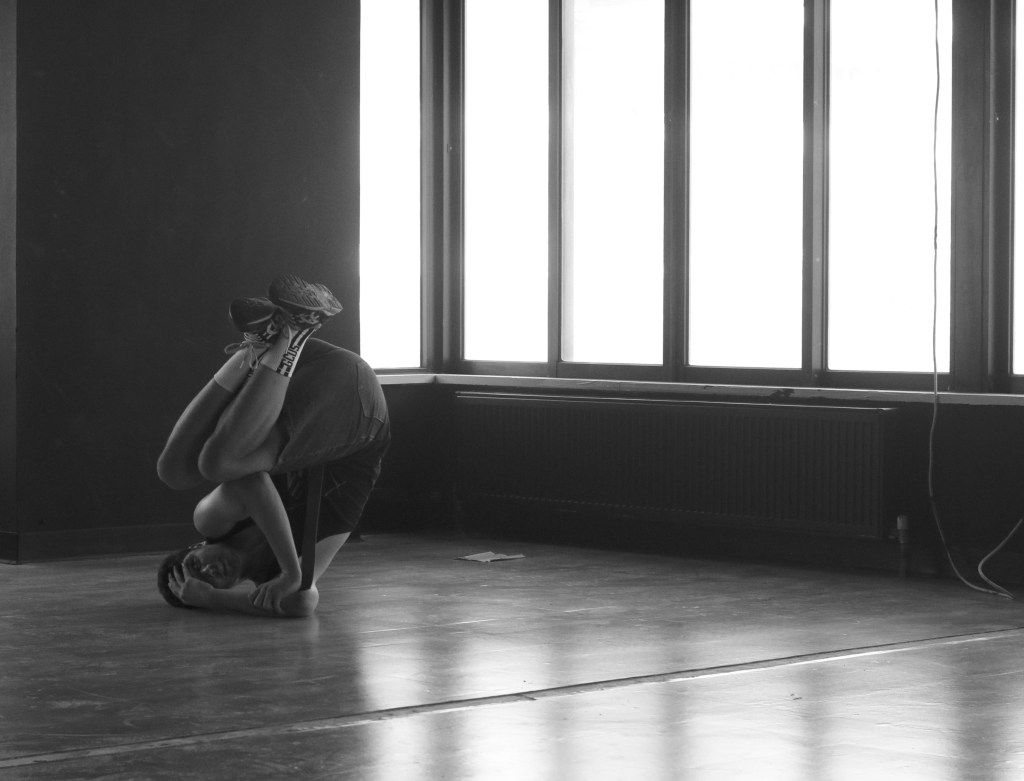
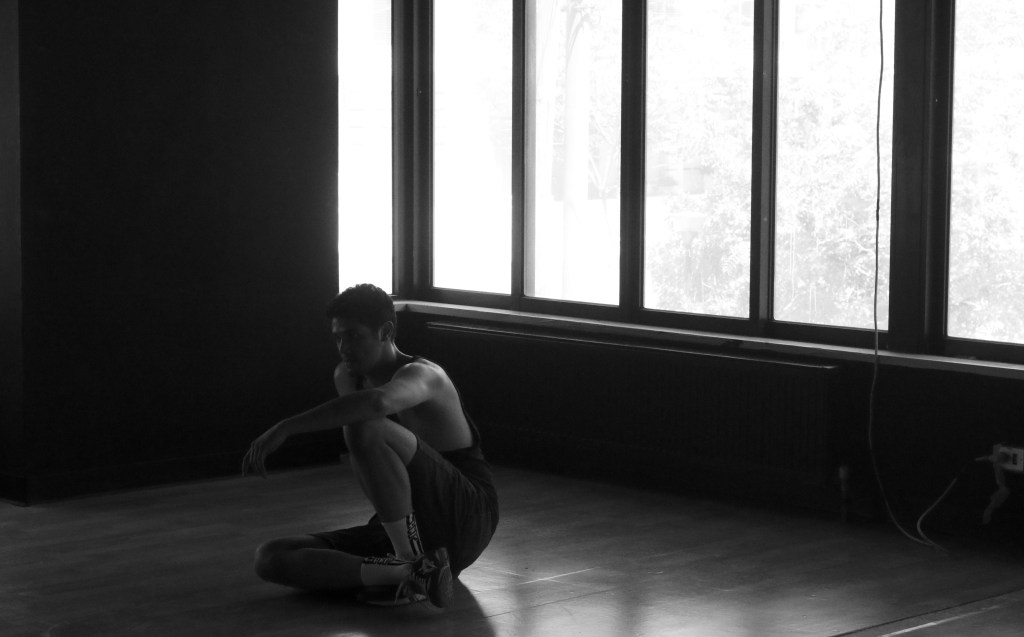
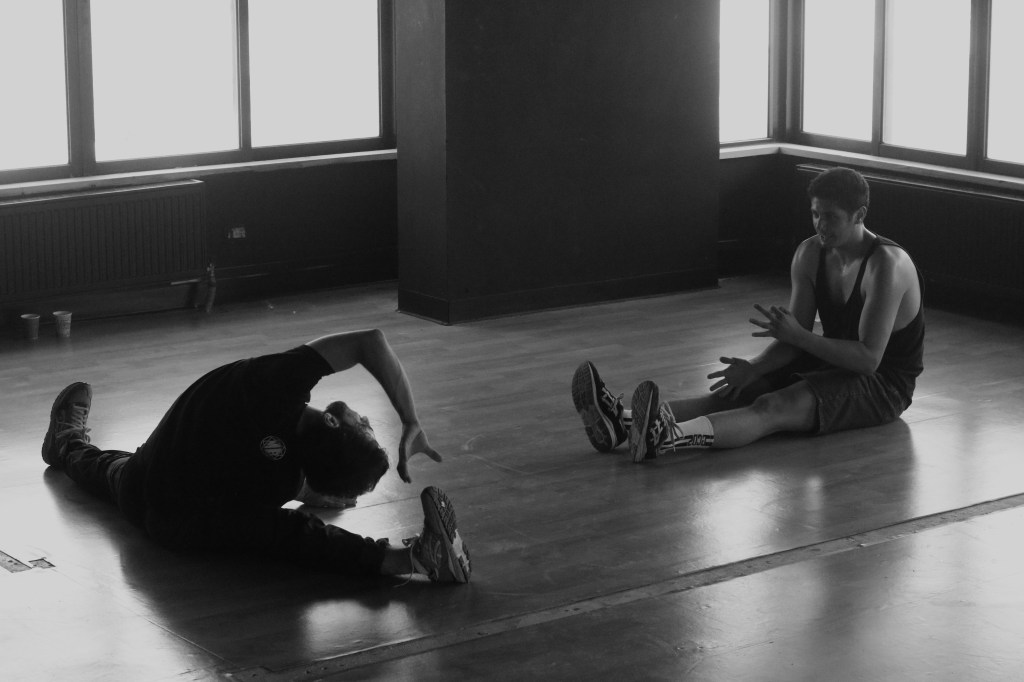
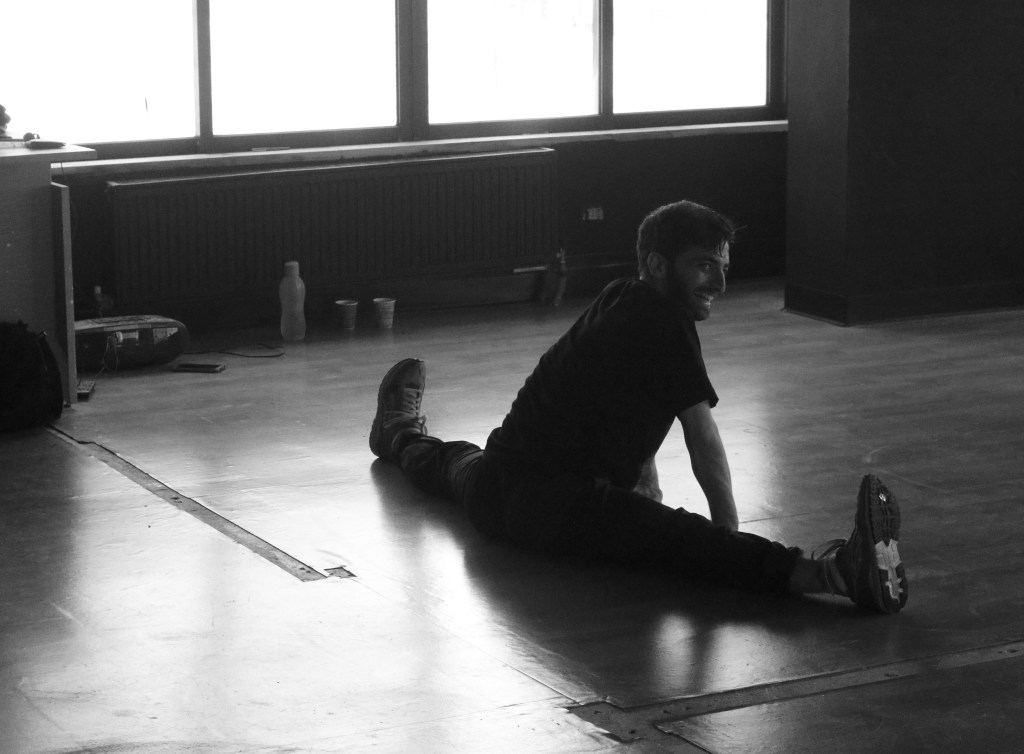
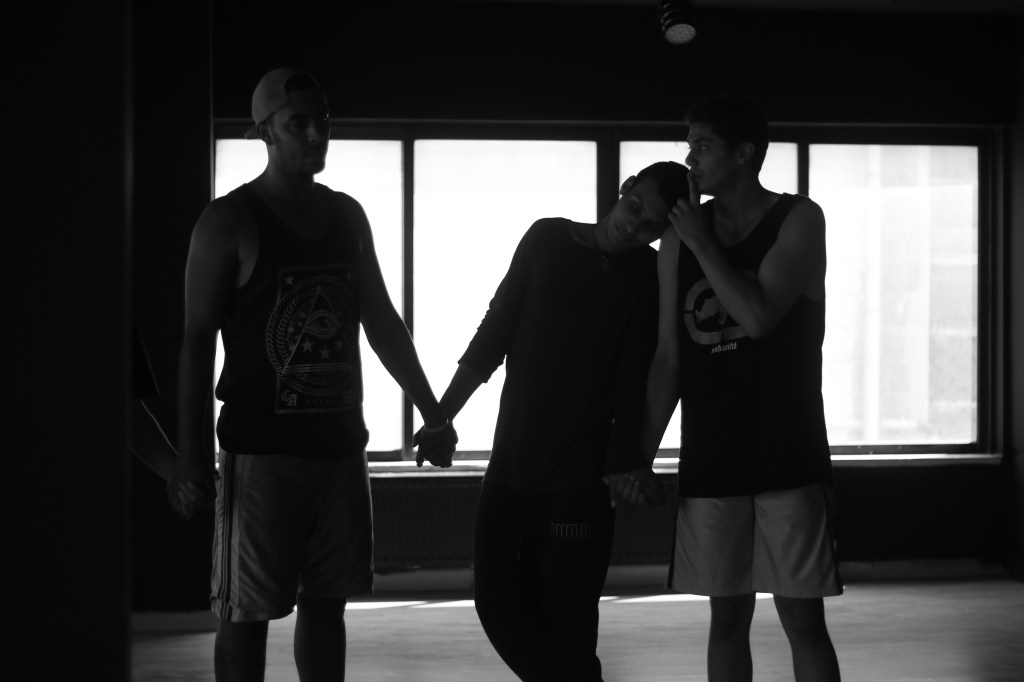
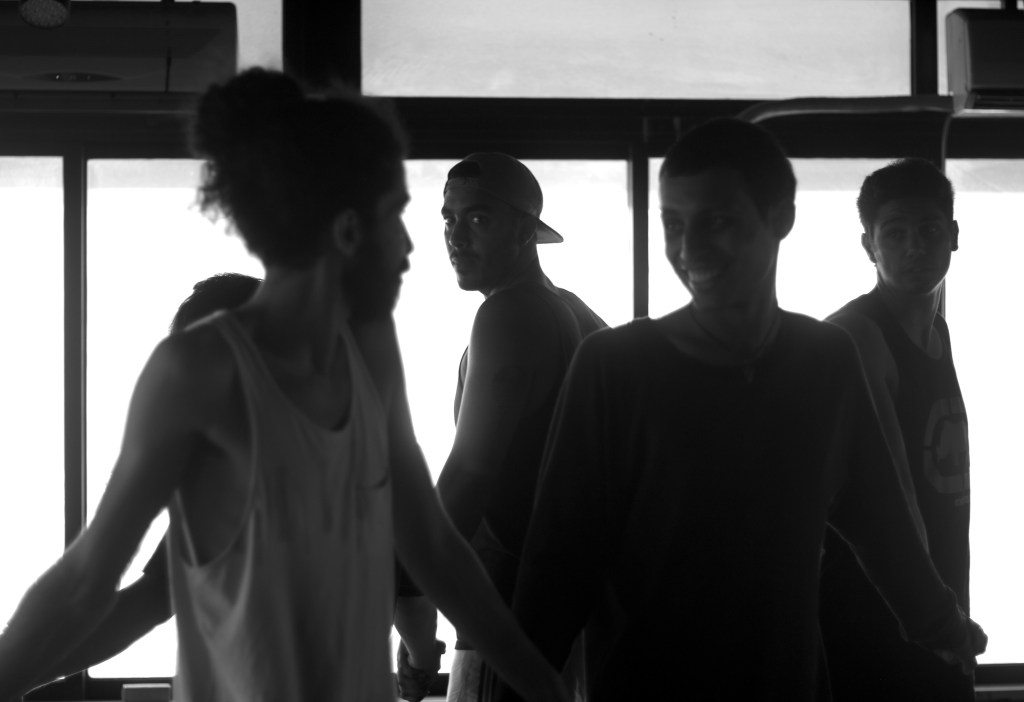
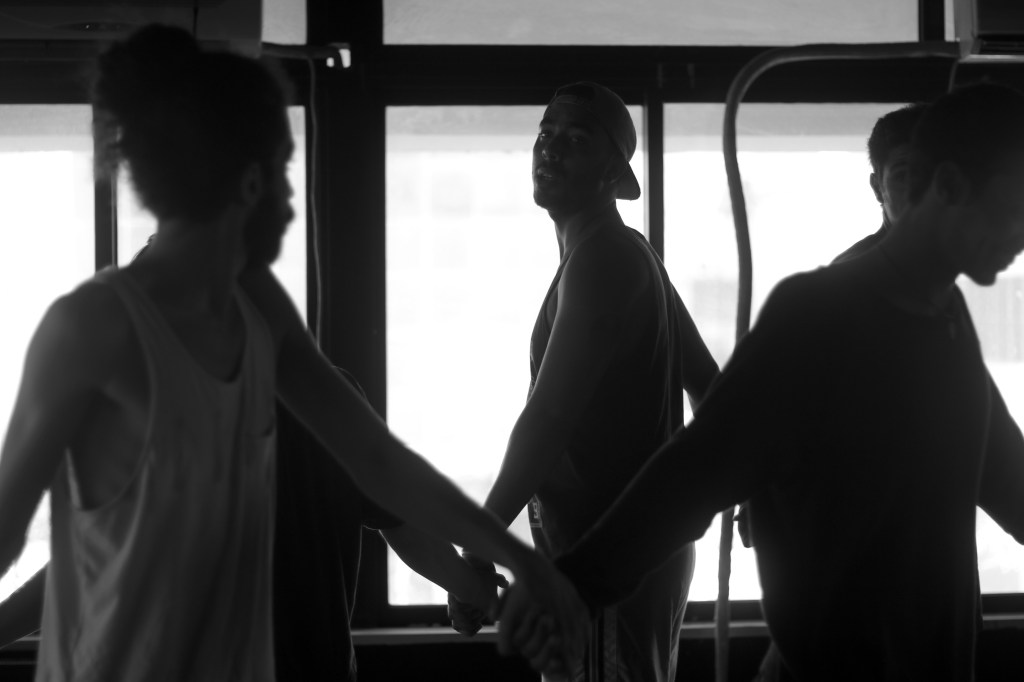
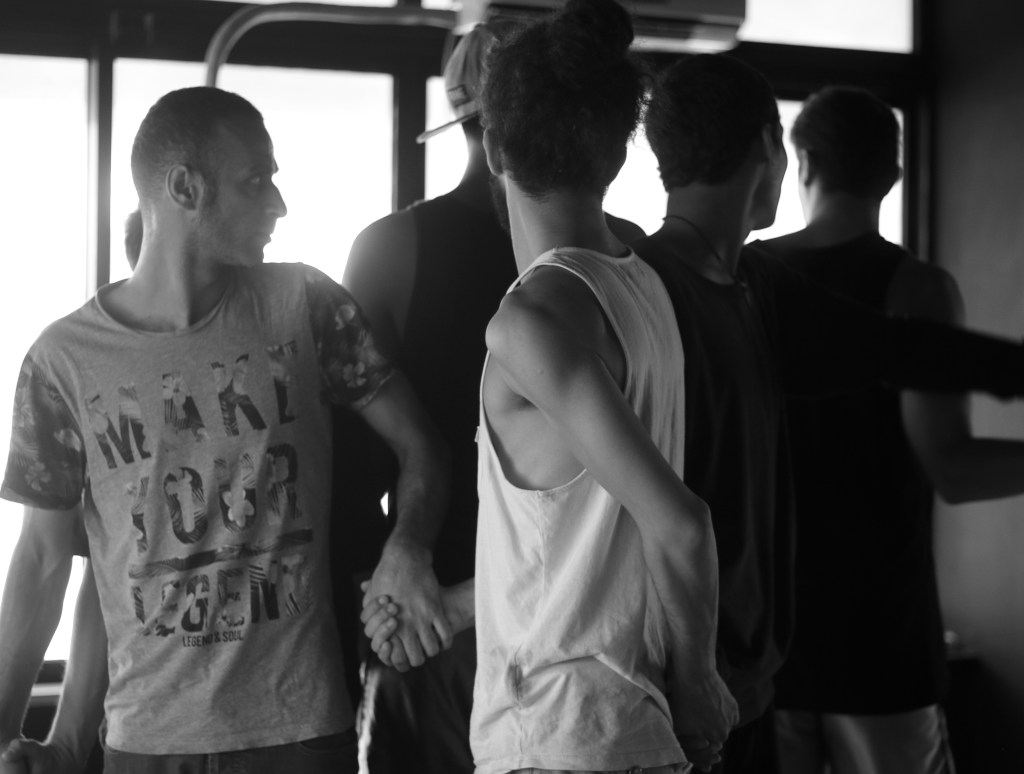
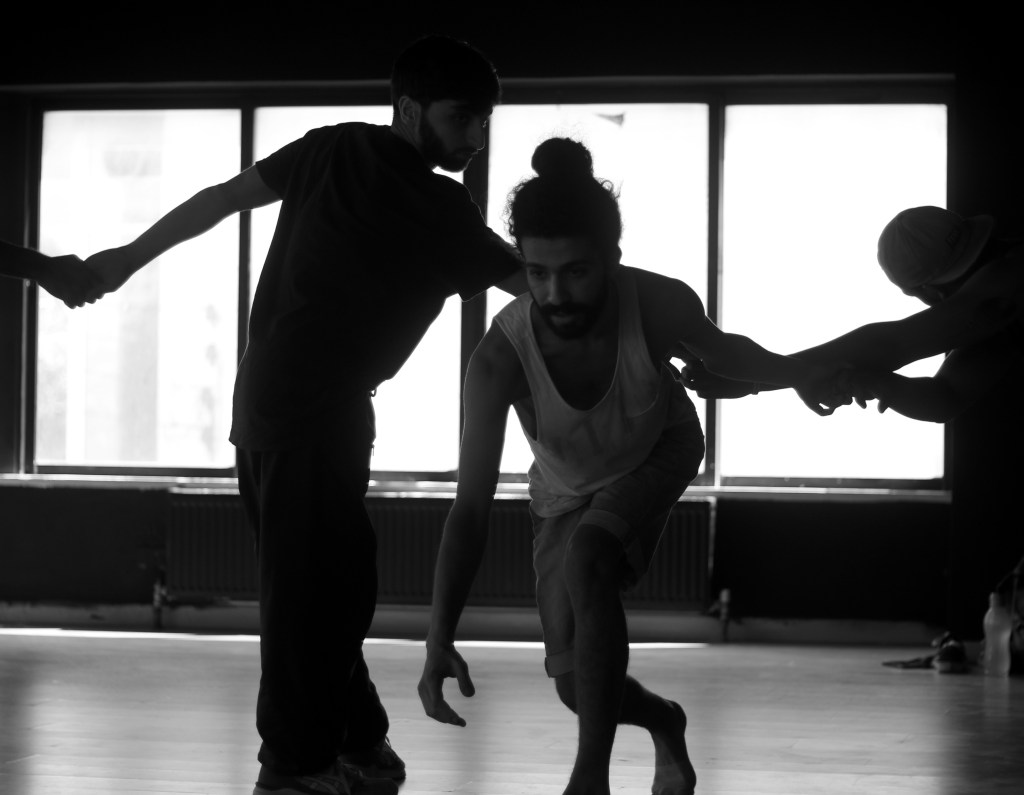
 Wujoud wa Hodoud